
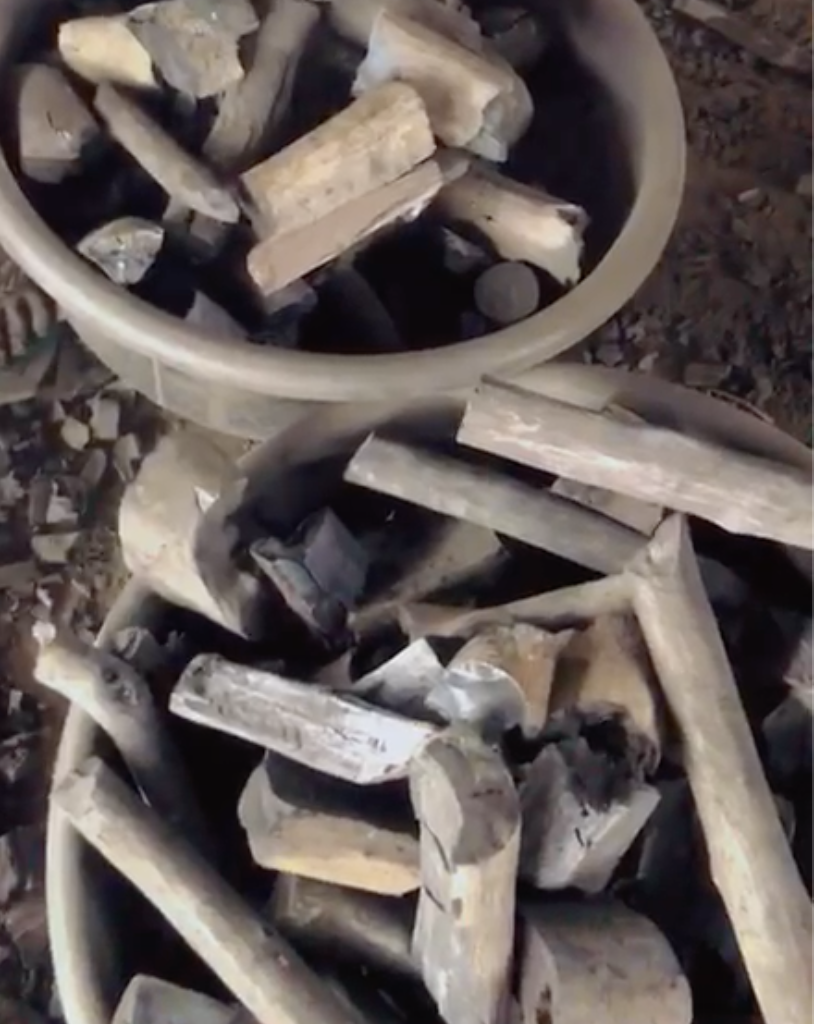
If you’ve been sourcing charcoal for your restaurant, BBQ, or business, you’ve probably heard the names Ayin and Acacia thrown around. Both are fantastic Nigerian hardwoods that burn clean and command respect in the industry. But here’s the thing, they’re actually quite different when you get down to it, and picking the wrong one can really mess with your operations.
I’m going to walk you through everything so you can figure out which one makes sense for what you’re doing.
Quick Snapshot
Before we dive deep, here’s what separates them:
Ayin is your long-haul champion. It burns for 6-8+ hours at a steady, controlled temperature. It’s premium quality, virtually spark-free and incredibly pure. If you’re running a shisha lounge or a high-end restaurant where consistency is everything, this is your charcoal.
Acacia is the power player. It burns hotter and faster. You get to cooking temperature in 3-5 minutes and it delivers intense heat that peaks at 900-1000°F. Perfect for grilling, searing, and any situation where you need serious heat output right now.
What Makes Them Different at the Core
Both come from African hardwoods, which is why they both perform so well. But hardness doesn’t tell the whole story.
Ayin (African Rosewood) is native to West Africa and it’s dense, really dense. It takes years to mature, which is part of why it burns so long. When we carbonize it, all that density translates into a slow, steady release of energy. Think of it like a perfectly-made fireplace log that just keeps going.
Let me be straight about the specs because this is where you actually see the difference.
Fixed Carbon Content (the stuff that actually creates heat):
- Ayin runs 75-82%
- Acacia runs 78-85%
Acacia typically edges out Ayin here, which is why it burns hotter. More carbon = more heat. Simple as that.
Ash Production: Both are remarkably clean. Ayin produces 3-5% ash, Acacia 2-4%. Honestly, you won’t notice the difference in practice. Less sweeping is less sweeping.
Heat Output (Calorific Value):
- Ayin: 7,500-8,200 kcal/kg
- Acacia: 8,000-8,500 kcal/kg
This is where you really feel the difference.
Ayin burns like a perfect slow burn. You light it, it takes a few minutes to get going (5-10 minutes to optimal temperature), and then it settles into this incredibly steady, controlled heat. No spikes, no surprises. The charcoal is smooth and almost polished-looking when it’s burning. Virtually no sparks. If you’re working with shisha or doing delicate, high-precision cooking, this reliability is huge.
Acacia burns hot and fast. Three to five minutes and you’re cooking. The intensity is noticeable, it climbs to maximum heat quickly and stays there while it lasts. You get a responsive burn that you can actually control through air management. It’s cleaner than hardwood tends to be, with very little smoke.
What Should You Actually Buy?
Here’s how to think about it:
Shisha & Hookah: Get Ayin. Full stop. The spark-free, pure burn is non-negotiable. Any interference from the charcoal ruins the experience, and Ayin doesn’t interfere.
High-End Restaurant: Ayin again. If you’re charging $40+ for a dish, your charcoal shouldn’t be a variable. You want consistency, control, and nothing compromising your food. Ayin gives you that.
Steakhouse or Grill Restaurant: This is Acacia’s moment. You need to sear fast and hard. Acacia gets you there. Your customers are paying for that crust, and Acacia delivers it.
Home BBQ or Casual Grilling: Acacia is the move. You get great heat without the premium price tag. It lights quickly, it performs, and your burgers taste perfect. What’s not to like?
All-Day Restaurant (Lunch + Dinner): Ayin. If you’re cooking for 8+ hours without refueling, Ayin’s long burn time is actually cheaper in the long run despite the higher upfront cost.
Industrial Use (Metalworking, Manufacturing): This depends on what you’re doing. If you’re doing metalwork or any process that needs sustained heat over long periods, Ayin is your best bet. If you’re in manufacturing and need intense heat output for shorter operations, go with Acacia. Think about whether you need that charcoal to keep running all day or if you need maximum temperature for a specific process. That’ll tell you which one to choose.
Price Reality Check
Ayin costs about 10-15% more than Acacia per kilogram.
But here’s what matters: value isn’t just about price per kg. It’s about total cost for what you’re trying to do.
Run a calculation for your operation. If you’re using 4kg of Acacia for a 4-hour shift, you’re at 1kg/hour. Switch to Ayin for an 8-hour shift on the same 4kg? You’re at 0.67kg/hour. Over a year with 250 working days, that difference adds up fast.
For a steakhouse doing high-heat grilling for 4 hours a day? Acacia is cheaper and better. For a restaurant cooking all-service? Ayin actually saves money.
Flavor & Smoke
Both burn clean when they’re properly carbonized.
Ayin is virtually odorless, it gets out of the way completely. This is why shisha producers love it. Your tobacco (or your food) is the star.
Acacia has a mild, slightly sweet smell when it burns. It pairs nicely with almost anything and doesn’t interfere with flavors.
In reality? Your cooking technique matters way more than this. An average cook with Ayin charcoal won’t beat a skilled cook with Acacia. Focus on your technique first.
The Sustainability Angle
Both are sustainably sourced when you buy from legitimate exporters like Shacoal. We harvest from managed forests in Nigeria with proper certifications. Both species are renewable resources and neither is endangered.
You’re not contributing to deforestation when you buy either one. That matters if it matters to you.
Final Take
There’s no objectively “best” charcoal. There’s only the right charcoal for what you’re doing.
Ayin is built for control, consistency, and extended operations. Shisha lounges and high-end restaurants choose it because it’s predictable and pure. You pay a bit more but you know exactly what you’re getting.
Acacia is built for performance and value. If you need heat and you need it now, Acacia delivers. It’s efficient, responsive, and it won’t break the bank.
The question isn’t which is better. The question is: are you optimizing for sustained, controlled heat, or peak performance and speed? That answer tells you everything.