Ayin Charcoal: The Complete Buyer’s Guide to Nigeria’s Premium Hardwood
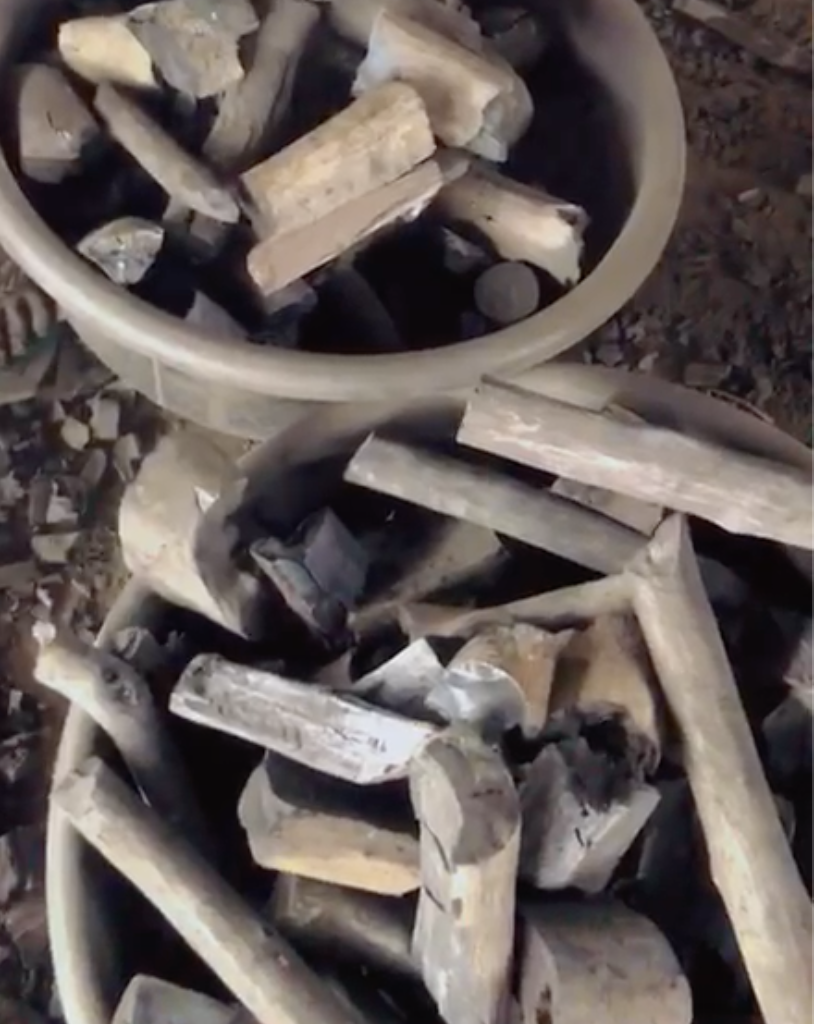
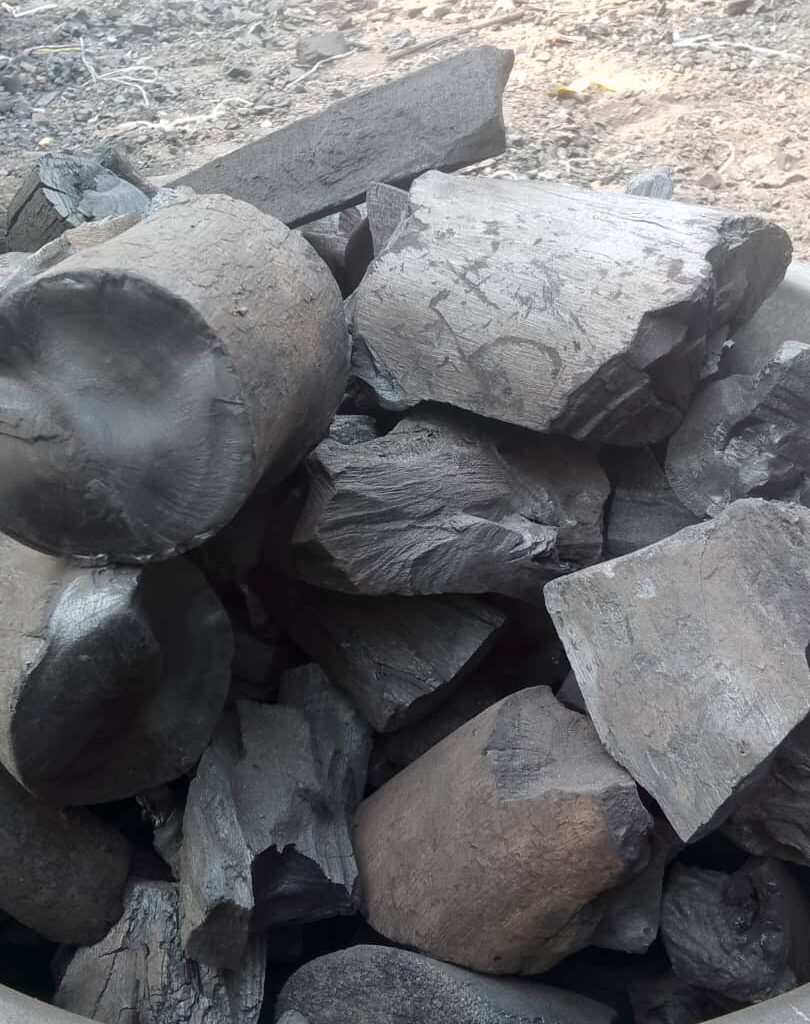
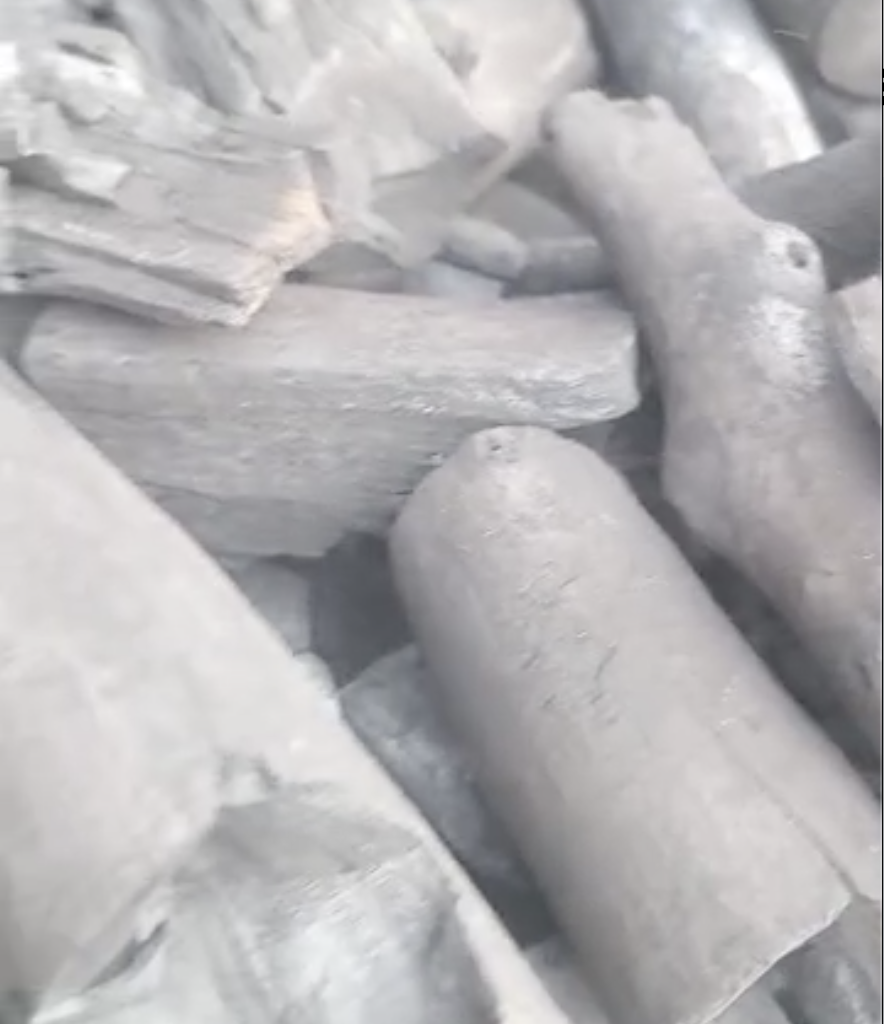
Ayin Charcoal If you’ve been sourcing hardwood charcoal for your restaurant, wholesale business, or distribution network, you’ve likely come across Ayin charcoal, or you should have. Despite being one of the most high-performing hardwood charcoals available, Ayin remains largely unknown outside West Africa. Most global buyers are still sourcing from Paraguay, Eastern Europe, or Southeast Asia: often paying more for an inferior burn. This guide covers everything a serious buyer needs to know: what Ayin wood is, why its charcoal outperforms most alternatives, its precise technical specifications, how it compares to other popular hardwoods, and how to source it directly from Nigeria. What Is Ayin Wood? Ayin is the common Nigerian name for Anogeissus leiocarpa, a dense hardwood tree native to the savanna woodlands of West and Central Africa. It grows predominantly in Nigeria, Ghana, Senegal, and Burkina Faso, typically reaching heights of 15–25 metres with a trunk diameter of 40–80 cm at maturity. The tree has been used for centuries across West Africa for construction, tool handles, and firewood — valued precisely because of how hard and dense its timber is. That same density is what makes it exceptional for charcoal production. In botanical terms, Anogeissus leiocarpa belongs to the Combretaceae family — the same family as some of Africa’s most prized hardwoods. It is not a fast-growing plantation tree; it grows slowly in the wild, which directly contributes to the density and carbon content of the resulting charcoal. Why the wood species matters for charcoal quality Not all hardwood charcoal is equal. The quality of charcoal is determined primarily by the density of the source wood and its lignin content. Higher wood density = higher fixed carbon content = longer burn time = more heat per kilogram. Ayin wood has one of the highest wood densities of any commercially available charcoal source in Africa, measuring approximately 0.85–0.95 g/cm³ — comparable to the best grades of Quebracho Blanco from South America. Ayin Charcoal Technical Specifications Below are the verified technical specifications for Shacoal’s Ayin hardwood lump charcoal, independently measurable by any certified laboratory. These figures represent our standard export grade: Property Value What It Means For Buyers Fixed Carbon ≥ 75% More energy per kg: fewer refuels, lower cost per burn Ash Content ≤ 5% Less cleanup, no bitter ash taste on food Moisture Content ≤ 8% Lights fast, burns consistently from first use Volatile Matter ≤ 15% Minimal flare-ups and smoke Calorific Value Up to 6,800 kcal/kg One of the highest heat outputs of any hardwood charcoal Burn Time 6–8 hours Outlasts oak (4–5 hrs) and beech (3–4 hrs) significantly Lump Size 20–50 mm Consistent sizing for even airflow and predictable heat These specifications place Ayin charcoal firmly in the premium tier — comparable to Quebracho Blanco (Paraguay), significantly above standard European hardwood charcoal (oak, beech, hornbeam), and superior to most South and Southeast Asian products. Ayin Charcoal vs Other Hardwood Charcoals Here is a direct comparison between Ayin and the most sourced hardwood charcoals worldwide: Charcoal Type Burn Time Fixed Carbon Ash Content Smoke Level Ayin (Nigeria) 6–8 hours ≥ 75% ≤ 5% Very Low Oak (Europe) 4–5 hours 65–70% 8–12% Low–Medium Beech (Europe) 3–4 hours 60–65% 10–15% Medium Quebracho (Paraguay) 5–7 hours 72–76% 5–8% Low Coconut Shell 2–3 hours 70–75% 3–5% Very Low Key takeaway: Ayin matches or outperforms Quebracho Blanco — currently the world’s most sought-after restaurant-grade charcoal — on nearly every metric. The significant advantage Ayin has for buyers in Europe and the Middle East is shorter shipping distance from Nigeria versus Paraguay, and in most cases, a more competitive FOB price. Who Uses Ayin Charcoal and Why Restaurants and professional kitchens Ayin charcoal’s 6–8 hour burn time makes it the preferred choice for high-volume restaurant kitchens. A Josper or Argentine grill in a busy restaurant needs consistent heat across a full service; typically 8–10 hours. Most European hardwood charcoals require a mid-service refuel. Ayin does not. The low ash content (≤5%) also means grill maintenance is faster between covers. BBQ wholesale distributors Distributors who supply BBQ charcoal to retailers or food service businesses look for two things above all else: consistency and margin. Ayin delivers on both. Because it is a wild-harvested African hardwood rather than a plantation species, the wood density and charcoal quality are highly consistent batch to batch; a common complaint with plantation-grown alternatives. And because Nigeria is a lower-cost production origin than Germany, Argentina, or the USA, the landed cost in European or Gulf ports is typically competitive. Shisha and hookah charcoal manufacturers Ayin wood is also used as a raw material input for premium shisha charcoal production. Its low volatile matter (≤15%) and minimal smoke output make it suitable for hookah applications where flavour contamination from charcoal smoke is a critical quality concern. Manufacturers in the UAE, Germany, and the Netherlands have sourced West African hardwood for this purpose for over a decade. Industrial users With a calorific value of up to 6,800 kcal/kg, Ayin charcoal also serves industrial applications; metal forging, blacksmithing, and certain chemical processes where a high-heat, low-ash carbon source is required. Its high fixed carbon content makes it competitive with industrial-grade charcoal from other origins. How to Source Ayin Charcoal from Nigeria What to look for in a supplier Nigeria has many charcoal producers but not all export to the standards required by EU, Gulf, or US buyers. When evaluating an Ayin charcoal supplier, ask for the following: Independent lab reports confirming fixed carbon, ash content, and moisture levels NEPC registration: NEPC (Nigerian Export Promotion Council) registration Phytosanitary Certificate: Phytosanitary Certificate issued by Nigeria’s Federal Ministry of Agriculture Certificate of Origin: Certificate of Origin (Form A or equivalent) for customs clearance at destination FCL capacity: Capacity to supply by full container load (FCL) — 40ft Packaging options: Standard bags are 10 kg and 30 kg. For private branding, customers supply their own packaging and we fill and seal it before shipment. All our bags comply with UN 1361 regulations for the safe transport of charcoal. Minimum order and packaging Standard export orders begin at one 40-foot container (FCL), which holds approximately 24–26 tonnes of lump charcoal depending on lump size and bag format. Shacoal offers FCL shipments in the following bag configurations: 10 kg bags — standard for wholesale,